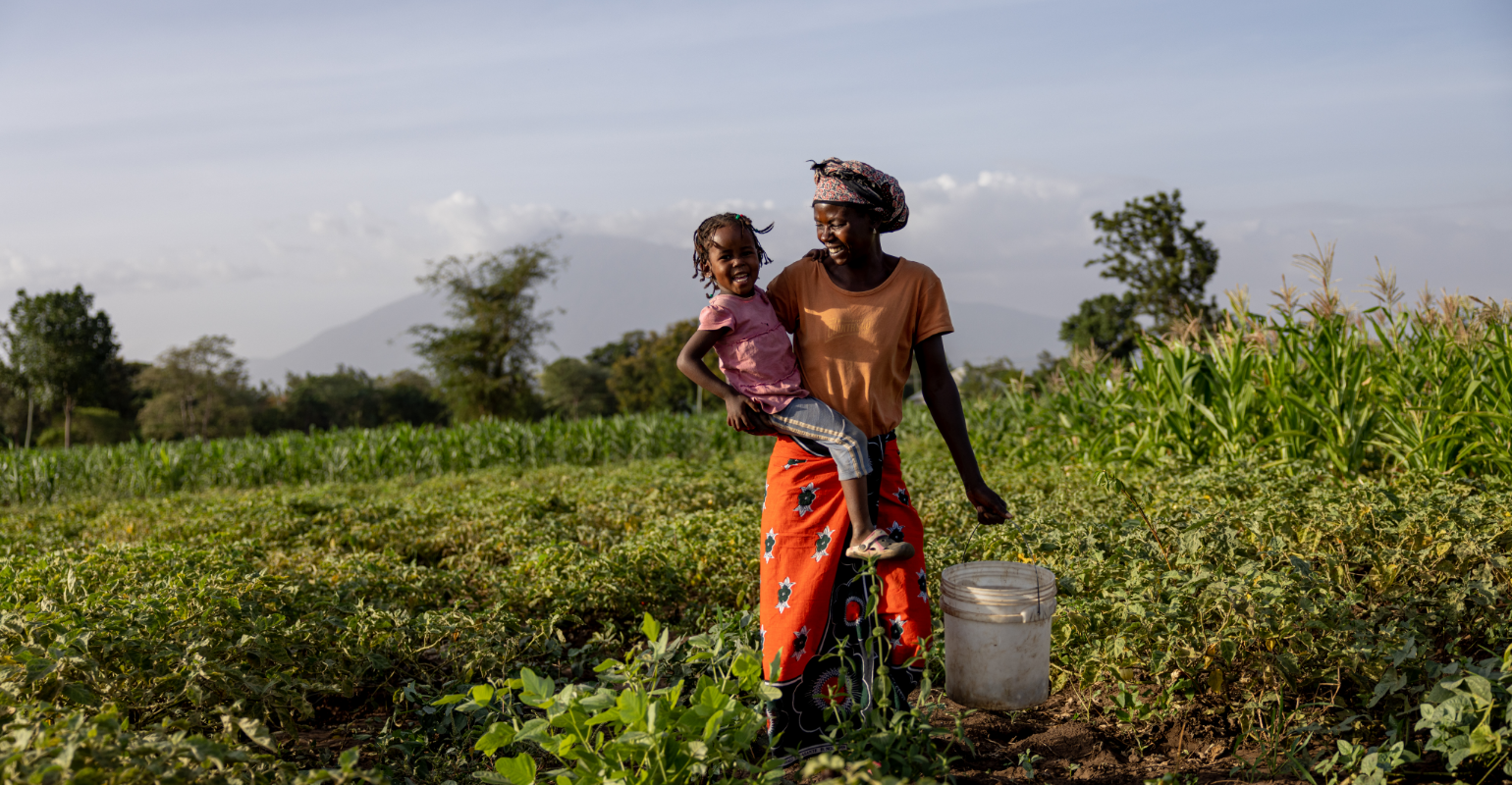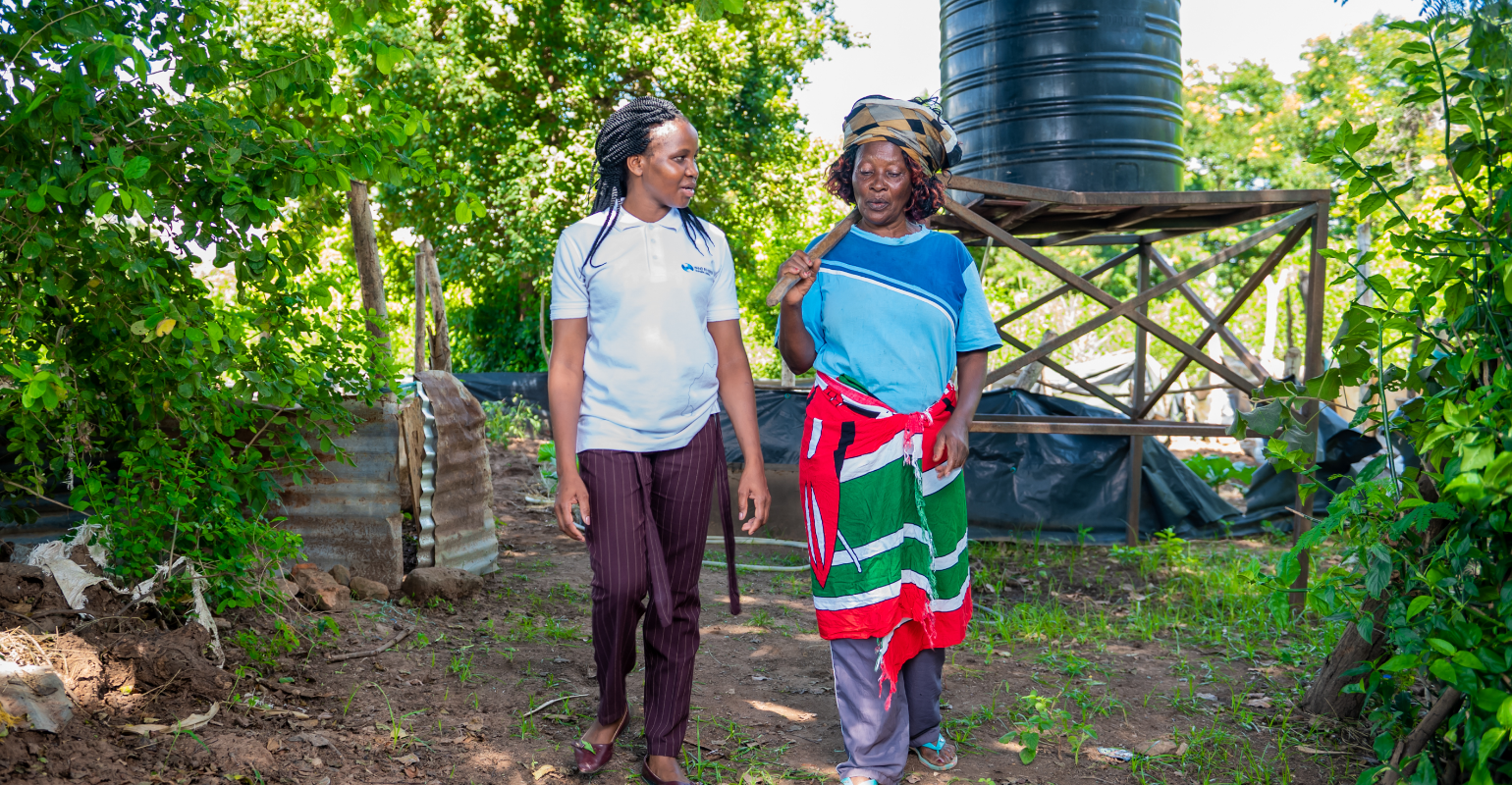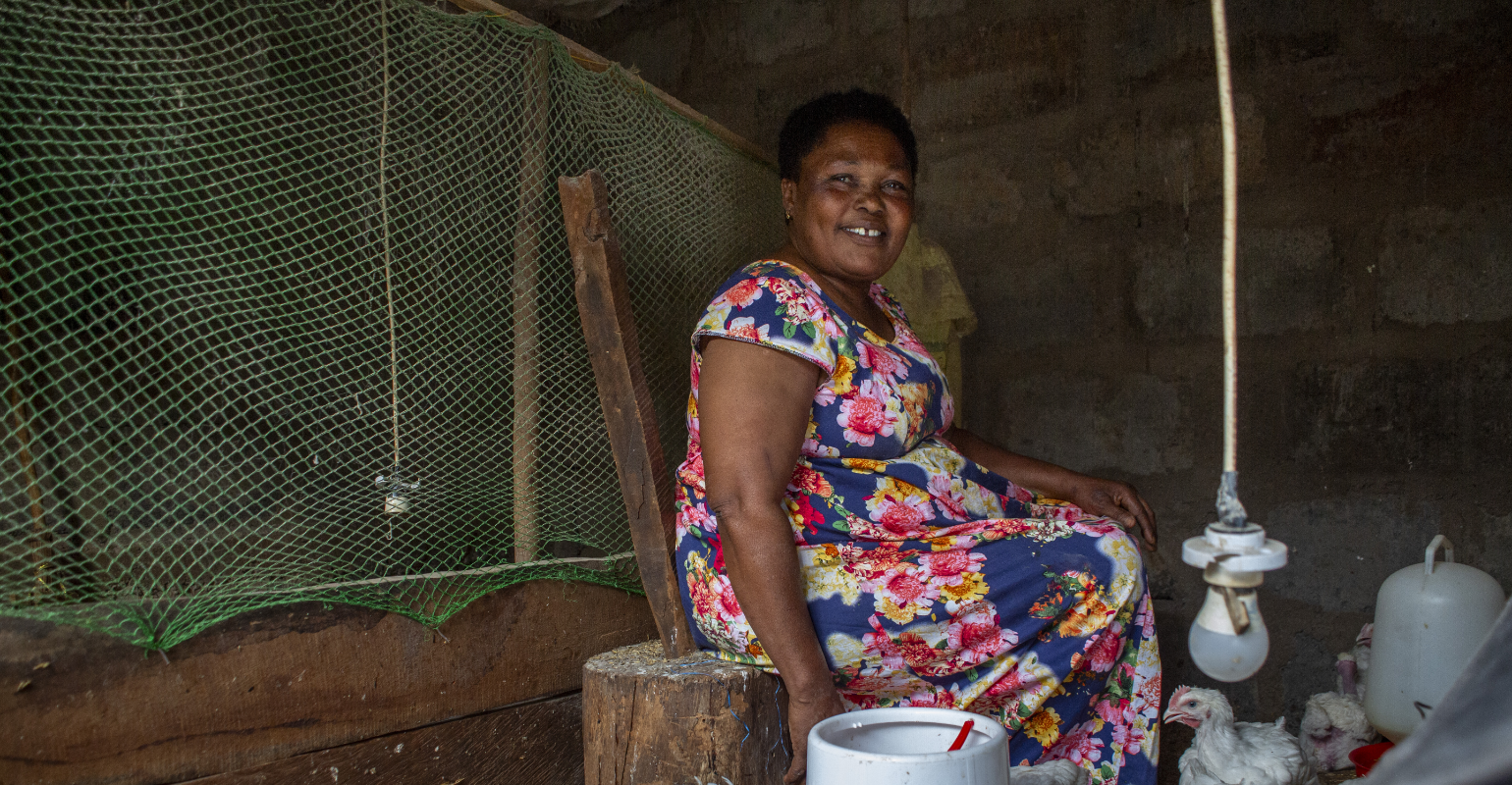
Meet Sara – Overcoming one of the biggest issues facing women in low income countries: the credit gap.

Sara Moshi runs a thriving poultry business supplying hotels, supermarkets and street vendors in Moshi Town, northern Tanzania. The secret of her success, she says, was the commercial loan for US $570 which, “really boosted my business,” and is earning more – from US $18 a month to US $110 a month.

Sara’s commercial success is a rarity in Africa where, although one in four women is an entrepreneur, they struggle to access credit, as they rarely hold assets so don’t have sufficient collateral. In fact, globally, there’s a US $1.7 trillion gap between the amount of capital women want and the amount they get. If that gap were closed its estimated US $6 trillion would be added to global GDP.

Our solution: An accelerator scheme that equips women to move from subsistence to success

There are millions of under-served women just like Sara with the potential to expand their businesses, but who lack the credit, market connections and technical expertise to do so.

That’s why we’ve developed an ‘accelerator’ programme which equips women the skills they need to move women beyond the absolute Poverty Line of $2.15 a day to the lower middle-income poverty line of $3.20 a day.

Creditaccess

Supported by her Hand in Hand business trainer, Sara was able to secure a loan with our commercial finance partner. She provided detailed bookkeeping and a business plan setting out her ambition to buy 200 chickens, the cost of feeding, vaccinating and housing those chickens, the expected sales, profits and the repayment schedule.

Having attended Hand in Hand’s business training sessions, Sara knew credit alone would not bring business success – she needed the farming skills to take care of her investment and the market connections to secure sales and profits.

Farming skills

Sara built a bigger chicken coop to make sure the chickens had enough light and space, made sure she had the correct feed and put plans in place for the necessary vaccinations. Finally, Sara decided to follow Hand in Hand’s advice and invest her loan in the “Sasso” breed because they would grow more quickly than the indigenous breed.

Market connections

Sara also researched her competitors: who was selling chickens to which outlets and how much were they charging? Then she contacted the buyers directly, securing several regular clients in nearby Moshi Town.

The business has transformed life at home. Sara has built a brand-new kitchen with a modern oven, has tiled the floors throughout her home, and repainted the house.

Looking back Sara says, “We are just housewives, but we sat with experts (Hand in Hand) who showed us how it could be done.”
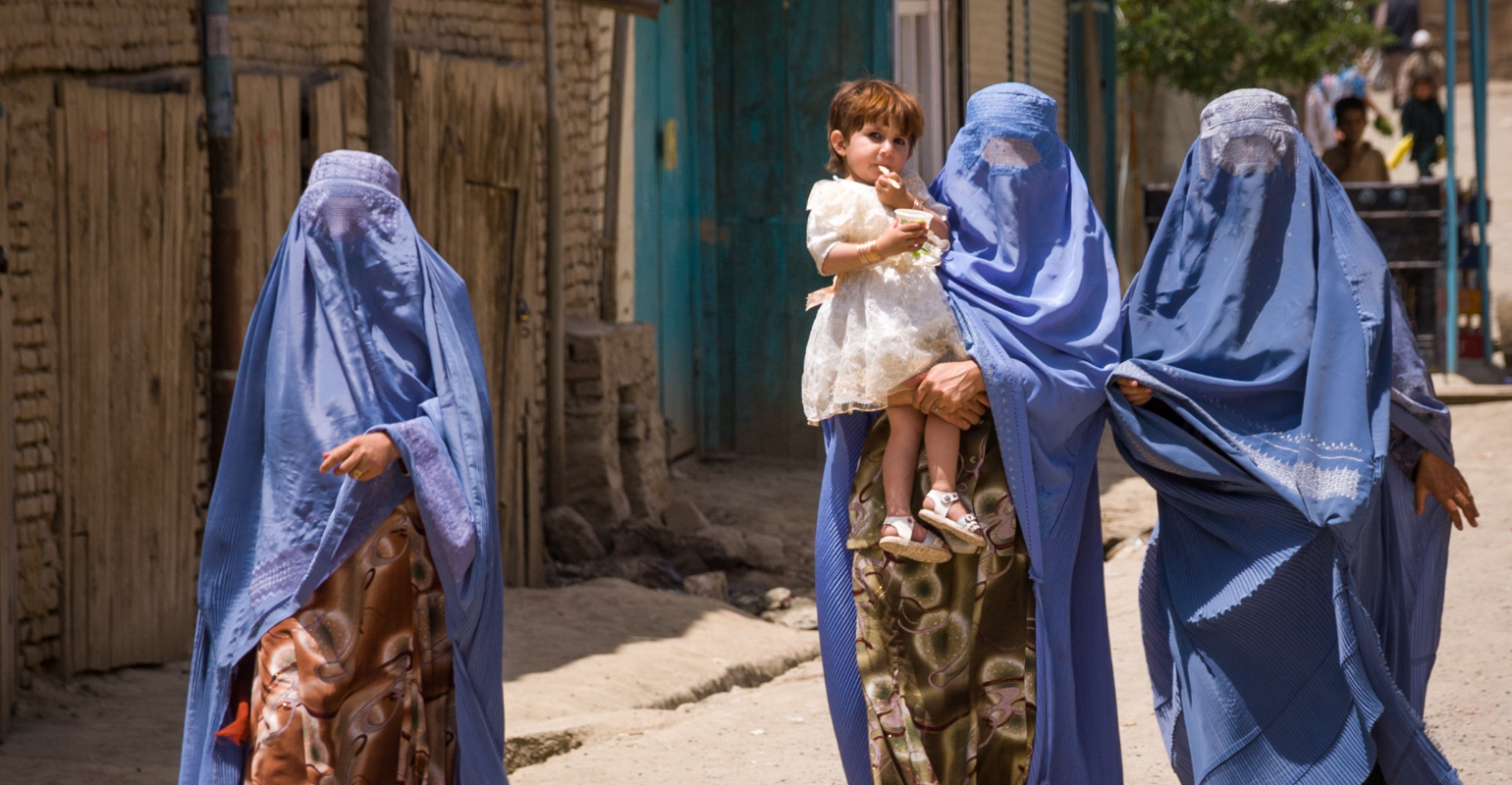
Meet Shaima – running her own honey business in Afghanistan

In Afghanistan, the restrictions on women’s movement and their ability to work, combined with natural disasters and the breakdown of the banking system, has pushed millions of Afghans into food insecurity.

Shaima, from northeastern Afghanistan, is just one of the thousands of women who we have equipped to start their own small business, based at home. Shaima, like her friends and neighbours, used to rely on occasional work in the fields to help support the family. But, paid partly in cash and partly in wheat and vegetables, there was never enough to pay for food and rent, orthe medication Shaima so desperately needed for her depression and anxiety.

Today, thanks to Hand in Hand’s business training programme, Shaima is running a successful beekeeping business from her back garden.

Sweet success

Slot Thailand

Slot Gacor

Slot Gacor

Slot Gacor

Slot Gacor

RP8888

PANENHOKI77

Slot Gacor

Shaima’s first 5kg of honey sold for some US $12 per kilo, which not only paid for her medication but has given her hope. Shaima explains:

“Before, I was losing hope and motivation to work because I was suffering from depression and life was hard… Now, I realised I could be someone who helps her family and her community…And I can feel like that even as someone who had once experienced depression and thought life was a waste.”

Meet Evelyn – earning more since changing the way she farms

Because smallholder farmers, like Evelyn Syombua, produce one third of the world’s food they are also the key components in the global transition towards a more sustainable, regenerative way of farming that will boost yields and income.

For women like Evelyn, regenerative agriculture means a future on land she had been on the point of abandoning.

Equipping women farmers with the skills to thrive

Hand in Hand equips women with regenerative agriculture techniques to restore soils damaged by years of monoculture farming, increase their yields and the business skills to scale up their agri-business so they can reach larger and more profitable value chains.

Diversification

Today, Evelyn rotates a variety of crops including sorghum, cow peas, pigeon peas, green grams – even leaving some areas fallow to allow the soil to recover. She’s planted fruit trees that yield fruit and enhance the local biodiversity, prevent soil erosion and provide shade for the animals.

She’s also learned to collect the rain when it comes and then use it for irrigation during dry periods.

Farming with intent

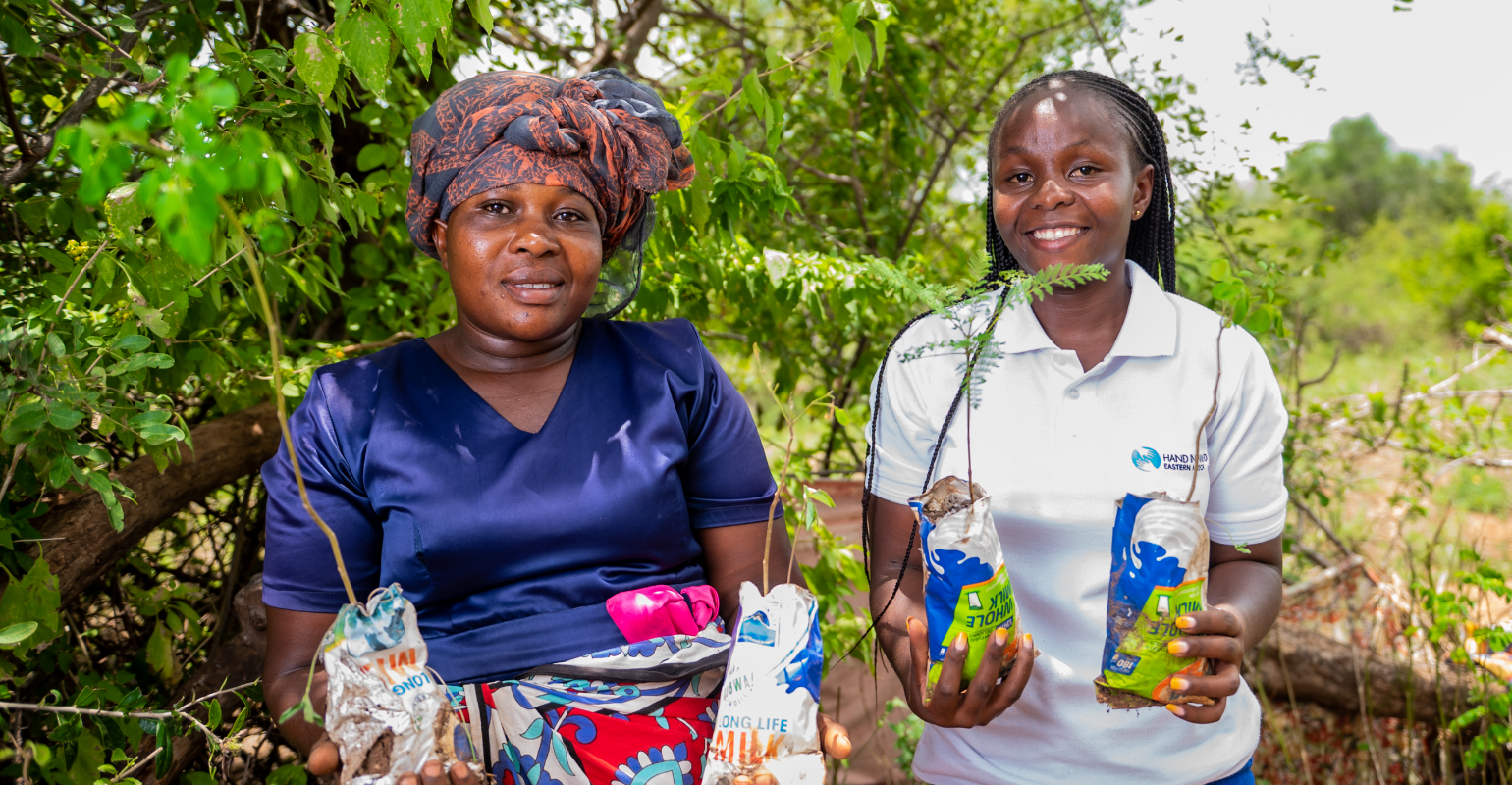
Moreover, everything on the farm has a purpose. Low growing crops such as sweet potato, reduce water loss. The fodder feeds the 15 goats and 10 chickens, the animal waste provides the basis for the fertiliser. Fruit trees provide food for the family and shade for the animals. Even old milk cartons provide the perfect ‘home’ in which to germinate seedlings.

As a result, Evelyn has noticed a real increase in the harvest from two bags of beans to at least four. It means there’s more food on the table and even some to sell at the market – earning more from the beans alone from KES 2,500 (US $16) to KES 4,500 (US $30) each harvest.

“The revival of the farm business has also given me hope and a direction on choices to make,” says Evelyn.

Meet Veneranda and Wilfred – challenging social norms that hold women back.

One in four African women is an entrepreneur, yet women face significant additional barriers when it comes to earning. That’s why Hand in Hand is equipping women living below the poverty line to launch profitable businesses and shifting social attitudes that prevent women working outside the home.

Before joining Hand in Hand, life for Veneranda and Wilfred was much like every other family in their village in Arusha in northern Tanzania: she took care of the home, he earned the money.

Changing the rules of the game for women entrepreneurs

In many communities, it’s believed a woman working outside the home undermines the man’s position as the family’s breadwinner. What’s more, women are expected to be solely responsible for domestic labour and caregiving, leaving the little time to run a business.

That’s why, at Hand in Hand, we involve the whole community, especially men and local leaders, in breaking down these barriers – so women can participate in the economy as equals, with the power to launch their own businesses and lift themselves and their families out of poverty.

It was only when Veneranda and Wilfred joined Hand in Hand’s that they both began to realise the possibilities life offered if they worked together as team.

Veneranda started a small business buying and selling groceries, but Wilfred realised that if she grew the vegetables herself, they could make more money. So, for the first time, Wilfred gave Veneranda a plot of land for her to grow vegetables, which she could then take to market.

Today Veneranda’s business earns about US $25 a week – tripling the family earnings. Two days each week Veneranda takes her produce to the market and Wilfred stays at home to look after the children, take care of the chickens and cook the meals.

Looking back, Wilfred says, “I had not realised what a burden it was to be the only one responsible for earning the money. Life is not just materially better now it is also easier for both of us.”

Credit for photograph:

© Cartier Philanthropy / Karin Schermbrucker.

Meet Benedetta – a farmer leading the fightback against climate change.

With sub–Saharan Africa seeing record droughts and floods and with as much as 30% of the country’s land degraded by intensive monoculture farming and pesticide use, many smallholder farmers and their families are trapped in a cycle of poverty.

We’ve developed a training programme that has already equipped 16,000 subsistence farmers with the latest regenerative agricultural techniques so they can better withstand the twin impact of unpredictable rains and degraded soil.

A new way of farming

For Benedetta Kaveki this meant changing the way she and her neighbours had farmed for generations.

She began by constructing terraces to reduce the soil erosion during the rains, planting the water hungry maize at the bottom and beans at the top.

Instead of relying on just these two crops Benedetta broke with tradition to plant sorghum, cow peas, pigeon peas and green grams, which would better withstand periods of drought, and low growing crops such as sweet potato to reduce surface water loss.

The resulting year-round harvest now provides Benedetta with more opportunities to sell her produce while also helping to trap carbon, enriching the soil and improving plant, animal and insect biodiversity.

Everything on the farm has a purpose

Everything on Benedetta’s farm now has a purpose – new paw paw trees provide shade for the animals, excess crops are used to feed the animals which, in turn, provide the manure for the crops. She even makes her own pesticide using tobacco leaves, pepper and garlic.

Benedetta’s farm is transformed. The improved soil has led to increased yields, and, by using circular economy techniques like making fertilizer from parts of the crop that can’t be used, she’s reduced her dependence on costly commercial products.